Styles of Street Photography
Street photography isn’t a preset you select or a genre you accidentally fall into. It’s closer to a discipline one that looks simple from the outside and turns brutally complex the moment you take it seriously.
A well framed photo of a street with people in it does not automatically make you a street photographer. That image might be strong, polished, even visually impressive and still miss the point entirely. In many cases, what you’re really doing is urban photography architecture with pedestrians, lifestyle imagery, or environmental scenes dressed up with human presence. And yes, sometimes it’s just a miss. That’s normal. In fact, the better you get, the more failures you’ll rack up—because you’re pushing harder, aiming higher, and rejecting anything that doesn’t truly land.
Street photography demands intention. Not overthinking, but awareness. You need ideas, instincts, and timing working together. You need to observe patterns, anticipate moments, and recognize meaning before it fully reveals itself. Composition matters—but mindset matters more. Without that, you’re just collecting attractive images instead of saying something.
Photography is often treated as the act of making pictures, but at its strongest it’s closer to an exchange with the world. The images that last are rooted in lived experience—moments where you were fully present, alert, and receptive. A good street photograph doesn’t just show what something looked like; it communicates what it felt like to be there.
If you’ve spent time studying street photography, you’ll already know there’s no single way to do this right. The genre branches into many different approaches, each with its own visual language and intent. What follows is my personal breakdown of nine distinct styles as I see them. This isn’t an official classification—there isn’t one. You could easily argue for more categories, or draw the boundaries differently.
You’ll also notice what I’ve left out. I’m not separating black and white from color, or day from night. Those are aesthetic decisions, not foundational styles. What ties all of these approaches together is something simpler and stricter: candid photographs of people in public spaces.
The beauty of street photography lies in this range. You’re not expected to choose a lane immediately. In fact, you shouldn’t. Experiment freely. Try everything. Shoot badly. Miss often. Over time—usually later than you expect—you’ll notice certain instincts sticking, certain subjects pulling you back again and again. That’s where a personal style starts to form.
The images used here come from my own experiments across these approaches. I’m still experimenting. That never really stops. The goal isn’t to imitate anyone else—it’s to develop a way of seeing that feels honest, consistent, and unmistakably yours.
Street photography rewards curiosity, patience, and commitment. It doesn’t care how good your editing is. It cares whether you were there—mentally, emotionally, and visually when the moment happened.
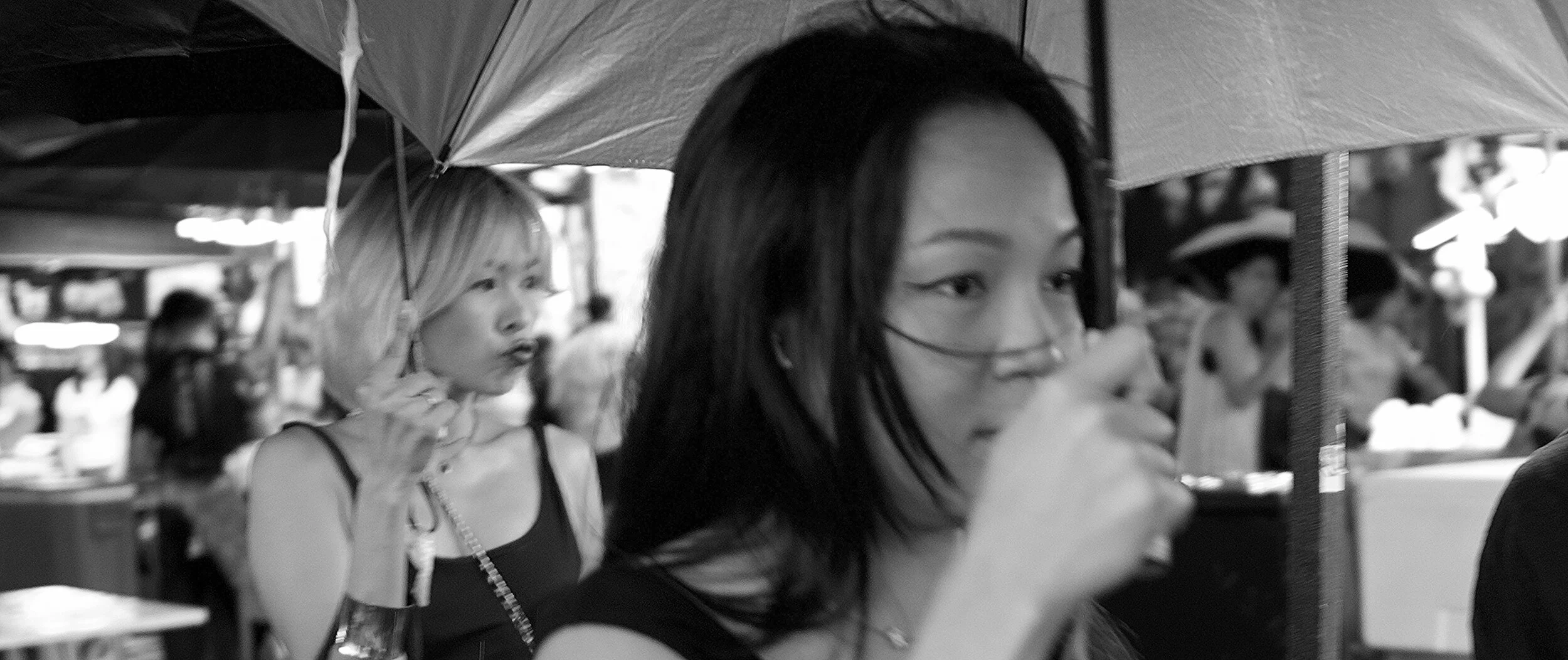
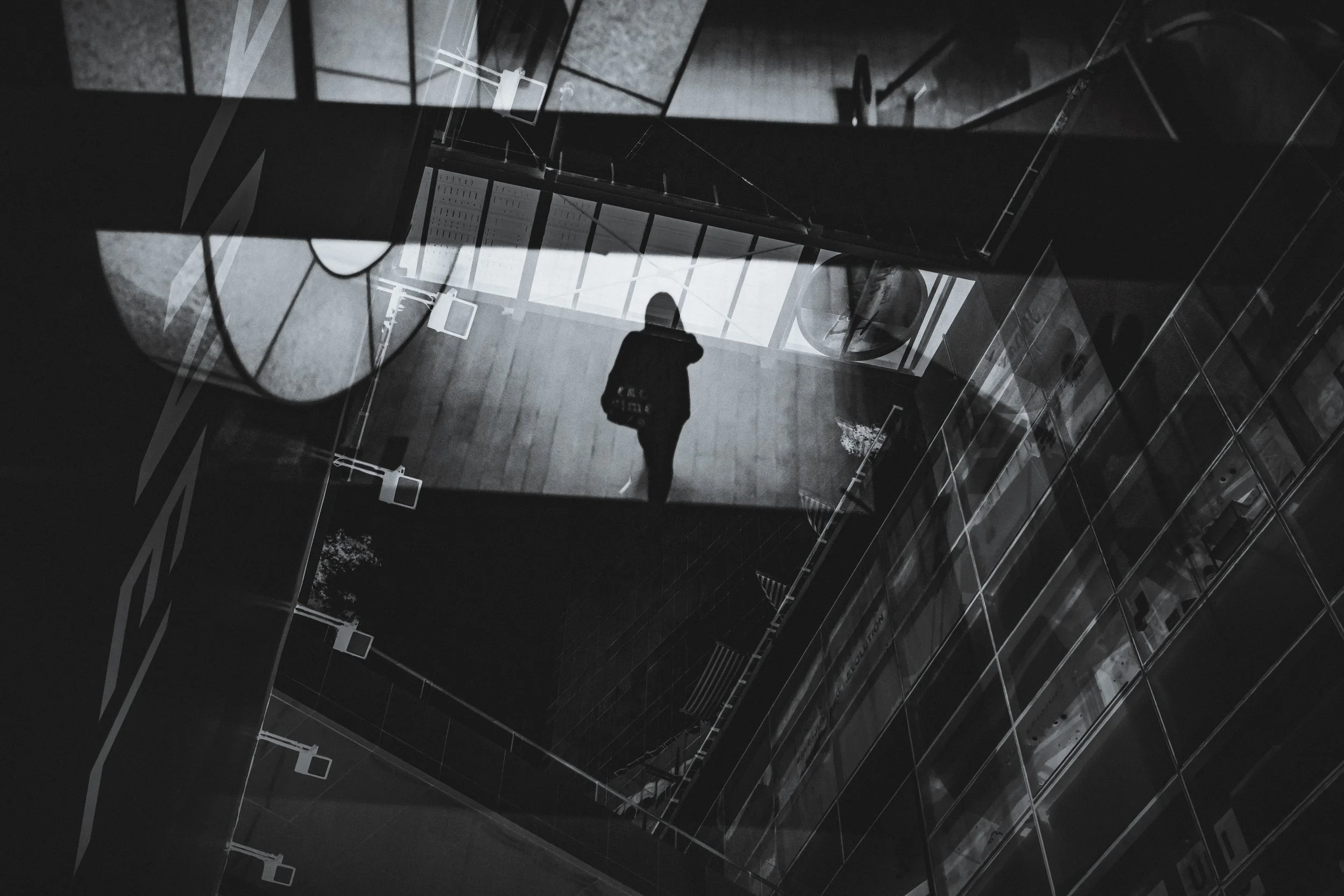
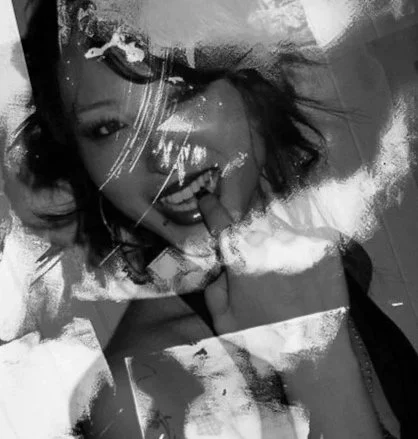
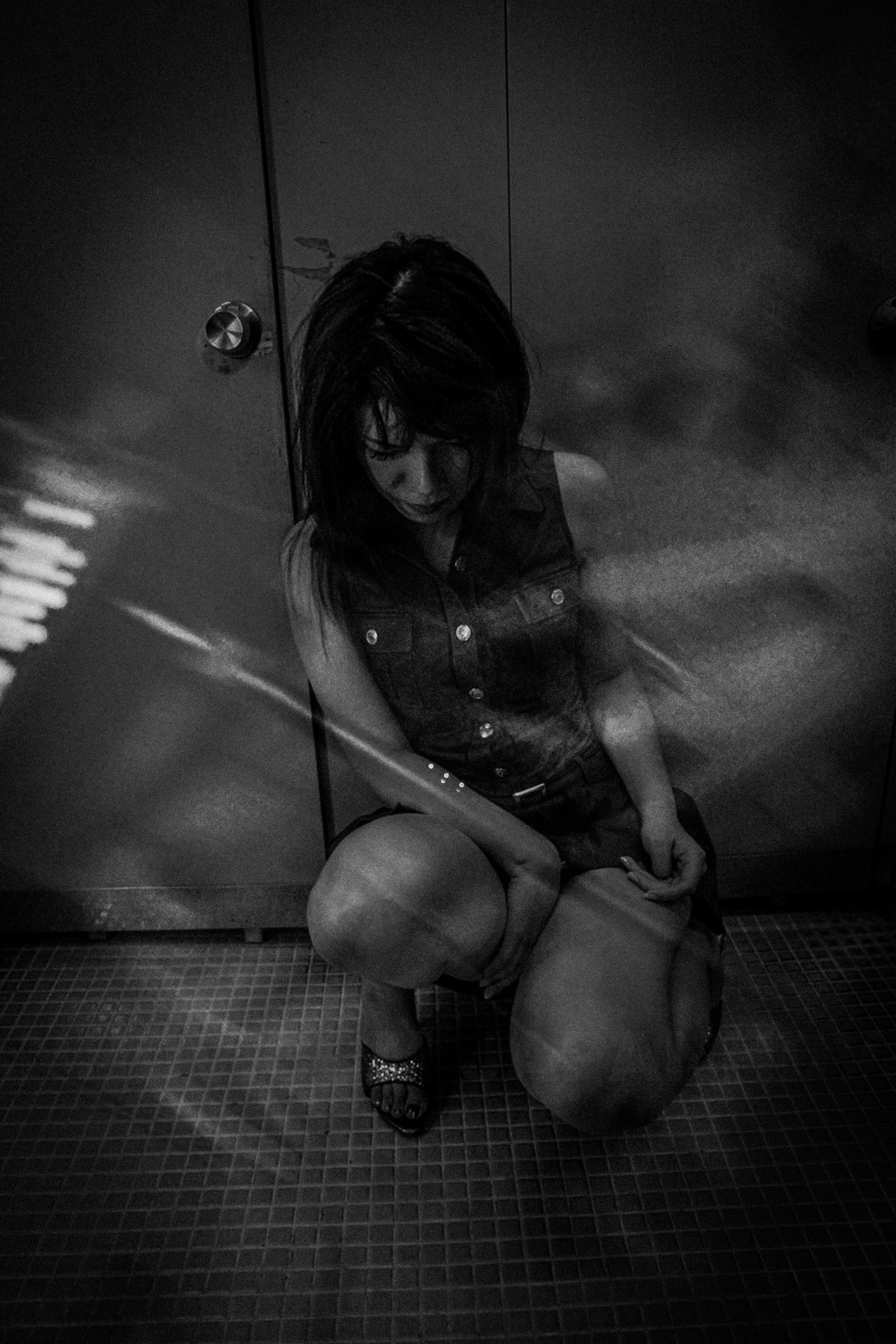
Street photography isn’t about the streets.
It’s about the moments where people fold in on themselves, unseen, while the city keeps walking.
It’s about catching the pause between survival and surrender—when a life briefly stops performing and shows its cracks.
No poses. No permission. Just truth, leaking through the noise before it disappears again.
-
You don’t get started in street photography by buying more gear, memorising camera settings, or waiting until you feel “ready.” That’s all procrastination dressed up as preparation. You start by going outside and paying the fuck attention.
Start close to home. Familiar streets strip away excuses and force you to work with reality instead of chasing postcard bullshit. Walk slowly. Watch people. Notice how bodies move through space, where tension builds, where things almost happen and sometimes do. Street photography isn’t about hunting moments like some twitchy sniper—it’s about recognising them when they’re right in front of your face.
You’re going to make a lot of bad photos. More than you’re comfortable admitting. That’s not a beginner problem that’s the job. The better you get, the more rubbish you’ll produce, because you’re aiming higher and taking risks instead of playing it safe. The mistake is pretending the bad frames don’t matter. They do. They teach you what doesn’t work, which is half the fucking process.
Don’t wait for confidence. Confidence is a side effect, not a prerequisite. If you’re waiting to feel ready, you’ll be waiting forever. Show up consistently, stay present, and keep shooting even when it feels pointless. Street photography rewards patience, honesty, and a willingness to look stupid in public. If you can handle that, you’re already started.
-
If you’re asking what makes your photography different, the uncomfortable truth is this: at the beginning, it probably isn’t. That’s normal. Difference isn’t something you announce—it’s something that shows up after you’ve stopped trying to impress people and started paying attention to what actually pulls you in.
What separates one photographer from another isn’t gear, locations, or some magical editing sauce. It’s what you notice, what you ignore, and what you keep coming back to even when no one gives a shit. Most people chase whatever looks good right now. Different photographers stay obsessed with the same ideas long enough to start saying something real with them.
Your work starts to feel different when you stop aiming for “nice” and start aiming for honest. When you trust your instincts instead of second-guessing every frame. When you’re willing to keep the slightly messy, uncomfortable shots because they feel closer to the truth—even if they’re not perfectly polished.
Consistency is where difference comes from. Not repeating the same shot, but responding to the world in a recognisable way. Over time, someone should be able to look at your work and sense a point of view. If your photos could have been taken by anyone, they don’t say much. When they couldn’t have been taken by anyone else, you’re getting somewhere.
Being different isn’t about being loud or clever. It’s about seeing the world in your own way and sticking with it long enough that it leaves a mark. Do that, and the rest takes care of itself—no bullshit required.
-
What camera you start with matters way less than you think. Gear doesn’t make the shot your brain, your feet, and your awareness do. There is no magic camera that suddenly turns you into a street photographer. If you’re waiting to buy the perfect body or lens before you start shooting, you’re just bullshitting yourself.
Here’s the reality:
Any camera you’ll actually carry everywhere is the right one. If it’s heavy, awkward, or precious, you’ll leave it at home and that kills more street photography than bad technique ever will.
People obsess over specs megapixels, autofocus speed, low-light performance but none of that means a damn thing if you’re not out there paying attention. Strong street photos come from timing and awareness, not spec sheets.
Beginners love the idea of “growing into” pro gear. That’s mostly nonsense. You don’t need better equipment you need better seeing.
If you already own a camera that focuses reliably and gives you some control over exposure, use it. Learn how light behaves, how people move, and how moments form and fall apart. When you honestly feel the camera is holding you back and not your comfort zone then think about upgrading.
Don’t let gear become the excuse. The best camera is the one that gets you out the door and into the street. Everything else is just noise.
-
where people actually live their lives. Not famous landmarks, not Instagram hotspots, not places everyone else is farming for the same tired shots. If you’re chasing “iconic locations,” you’re already missing the point.
Street photography works best in places with friction. Busy streets, transit hubs, markets, corners where different types of people cross paths. Anywhere there’s movement, contrast, waiting, rushing, boredom, tension, routine. That’s where things happen. The street doesn’t need to be beautiful it needs to be alive.
That said, the real cheat code is familiarity. Shooting the same area again and again teaches you how light falls, how people move, where moments tend to build. You stop reacting and start anticipating. Exotic locations might feel exciting, but knowing a place well will get you better photos faster. No bullshit.
And don’t ignore the boring places. Quiet streets, suburbs, small towns these can be gold if you’re paying attention. Most people overlook them, which is exactly why they work. Street photography isn’t about finding the perfect backdrop; it’s about finding meaning in whatever’s right in front of you.
So stop asking where the best place is. The best place is the one you can return to, walk often, and observe without rushing. Master that, and you’ll realise you never needed a special location in the first place.
What Street Photography Actually Is.
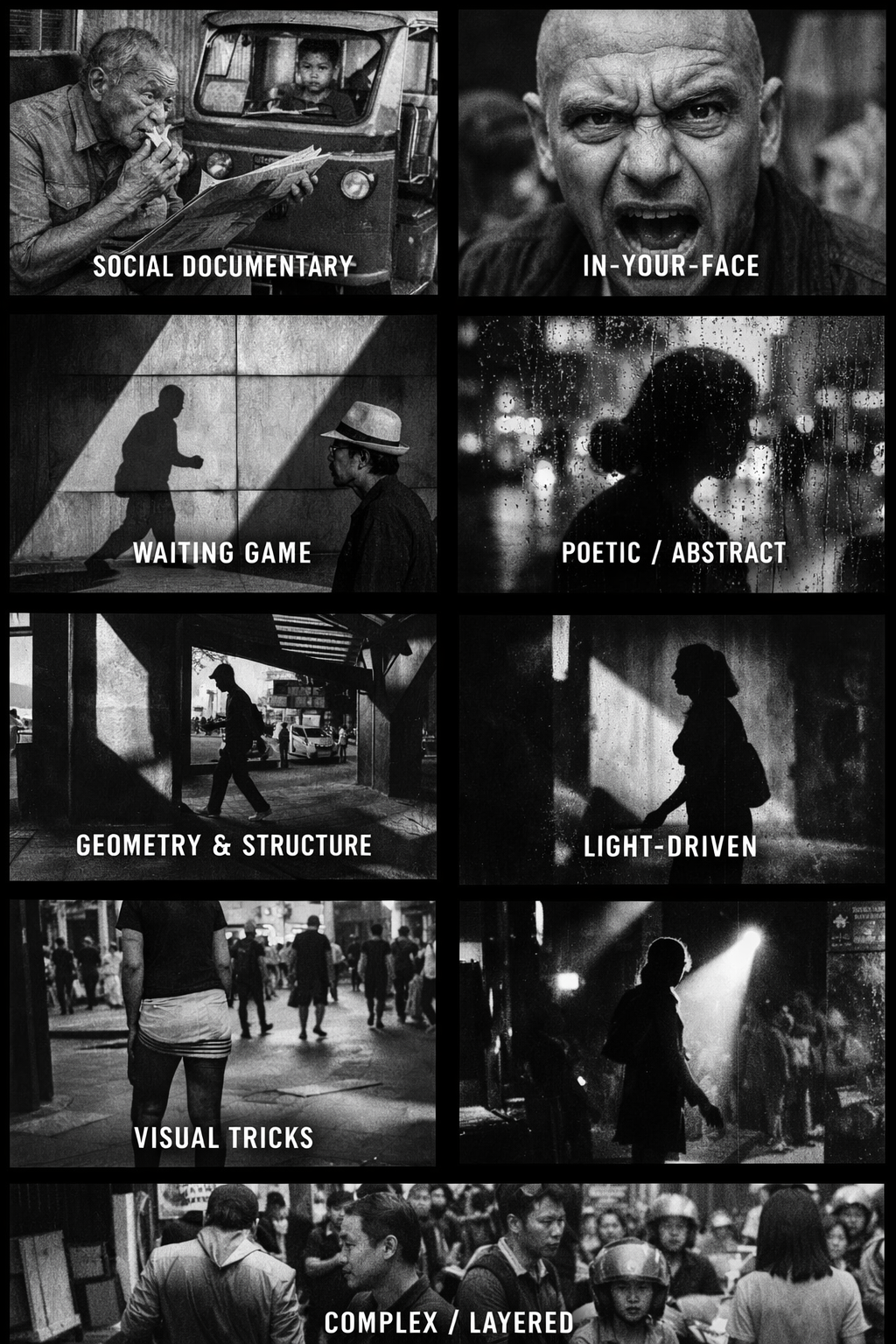
1. Social Documentary (but with a pulse)
This is street photography with its feet planted firmly in reality. No fantasy, no setups, no bullshit. It’s about recording the world as it actually is but doing it with a bit of bite, wit, and attitude. Straight documentary can sometimes feel stiff. Street photography loosens the tie, rolls up its sleeves, and looks for those moments where real life accidentally does something interesting.
The magic comes when something ordinary briefly cracks open and shows you something unexpected. A look, a gesture, a collision of timing that makes you think: how the hell did that just happen? These photos aren’t loud, but they stick. They reward patience, sharp eyes, and being there instead of just passing through.
2. In-Your-Face
This style doesn’t knock. It kicks the fucking door in.
It’s confrontational, invasive, and often uncomfortable for the subject and the photographer. Cameras (sometimes with flash) get shoved right into people’s personal space while they’re just trying to get through their day. The results can be brutal, raw, and impossible to ignore.
It takes serious nerve to work this way, and yeah, the ethics are debatable. I couldn’t do it myself. But I’d be lying if I said the results don’t fascinate me. Pulling this off without getting punched takes confidence, timing, and a thick skin. Love it or hate it, it’s street photography with zero apologies.
3. Background-First / Waiting Game
This one looks easy. It’s not.
You build the frame first—shapes, shadows, lines and then you wait for a human to wander in and fuck it up in just the right way. People are secondary here. The scene comes first. The moment completes it.
It’s lower risk than other styles and a great way to warm up, but it can slide into postcard territory if you’re lazy. The challenge is making something familiar feel personal instead of generic. When it works, it’s clean, quiet, and sharp as hell.
4. Poetic / Abstract Street
This is where street photography stops explaining itself.
These images don’t hand you the meaning—they suggest it. Layers, reflections, partial figures, strange alignments. Not confusing for the sake of it, but just ambiguous enough to slow the viewer down.
Everything has to hold together: composition, tone, balance. Nothing is staged. The street provides the chaos—you find the poetry hiding inside it. When done right, these photos feel more like fragments of thought than documentation.
5. Geometry & Structure
This style is all about order wrestling chaos.
Hard lines, strong shapes, repeating patterns—both obvious and implied. Buildings, roads, shadows create structure. People finish the equation. Sometimes the geometry is literal. Sometimes it’s suggested, like a visual connect the-dots that only works if everything lines up perfectly.
This kind of photography demands serious compositional awareness. Miss the timing by half a second and the whole thing falls apart. When it clicks, it feels inevitable, like the frame couldn’t exist any other way.
6. Light-Driven Street
This one is easy to read and hard to do well.
It’s about hunting light harsh shadows, silhouettes, pockets of brightness cutting through darkness. On a sunny day, it can feel like cheating. But relying only on light without substance gets boring fast.
The strongest images here use light as a weapon, not a crutch. The light doesn’t just look cool—it says something. When it works, it hits hard and fast.
7. Visual Tricks & Illusions
This style divides people instantly.
Some see cleverness. Others roll their eyes and mutter “been done.” Both reactions are fair. But here’s the truth: even seeing the possibility of these images requires a mental shift. Capturing them takes practice and precision.
Call it a trick if you want—but tricks still take skill. And skill is learnable.
8. Complex / Layered Chaos
This is advanced territory. No shortcuts.
Multiple subjects. Multiple moments. Multiple layers all fighting for attention. Done wrong, it’s a mess. Done right, it’s organised chaos that keeps pulling the viewer deeper into the frame.
These images take patience, timing, and the ability to stay calm while everything moves at once. Not for beginners. Not for the faint hearted. But when it works, it’s some of the most rewarding street photography there is.